



Jvari Monastery in Georgia
It is a 7th century monastery located near Mtskheta, Georgia, near Tbilisi. It is a rare early medieval Georgian church that has been preserved almost unchanged to this day. The monastery is built on the top of Jvari Mountain and is a model of medieval Georgian architecture harmoniously connected to the natural environment. Built between 586 and 605. The importance of the Jvari architectural complex has increased over time and has attracted many pilgrims. In 996, Jvari was listed as a UNESCO World Heritage Site along with other monuments in Mtskheta.

The New Saint Convent in Moscow, Russia
Located in Moscow, Russia, it is an Orthodox women's monastery and one of the most famous and important religious buildings in Moscow. Built in the 16th century, its name comes from the statue of the Virgin Mary enshrined in the monastery, which is said to have had miracles and is therefore revered as the "New Holy Maiden". It is not only a place for religious activities, but also a symbol of Russian history and culture. It was once a cemetery for the Tsar family, where many tsars and their family members were buried. The architectural style and interior decoration reflect the essence of traditional Russian religious art, and its exquisite murals and icons have high artistic value. Understand Russian religious culture and history.

Makaravank Monastery in Armenia
A medieval architectural complex located in Tavush Province, Armenia, situated on the slope of Paitatap Mountain, approximately 3 kilometers from Achajur village. Built in 1205, it was constructed using pink andesite. It also includes an ancient church from the 10th to 11th centuries, as well as the St. Astartesin Church built by Abbot Hovhannes in 1198, known for its exquisitely carved portal. Although the monastery is no longer in use, its ruins are well preserved and serve as important witnesses to Armenia's medieval religious and cultural history.

Harichavank Monastery, Armenia
A medieval monastery in the VayotsDzor region of Armenia, located on a hillside in Harich village, overlooking magnificent natural scenery. Built in the 7th century and undergoing centuries of reconstruction and expansion, it has become an important witness to Armenian Christian culture and religious heritage. Renowned for its exquisite architecture and carvings, including the Church of Saint Gregory and the Church of Saint Astartesin, as well as complex reliefs adorned with cross shaped stone tablets. Not only does it showcase the evolution of Armenian church architecture, but it also reflects the influence of different cultural periods.

Lmbatavank Monastery in Armenia
A historic religious building located on the southwest slope of Artik town in Shirak province, Armenia. Built in the 6th to 7th centuries, it is a cross dome structure with a unique architectural style. Its interior is decorated with murals from the 12th to 13th centuries, which are outstanding representatives of Armenian mural art. Not only renowned for its architectural and artistic value, but also highly respected for its significant position in the religious and cultural history of Armenia. Located on a plateau at an altitude of 1809 meters, it is one of Armenia's important historical and cultural landmarks, attracting numerous history and religious enthusiasts to visit.

Lycolette Monastery, Belgium
Nivelle, located in the Walloon region of Belgium. This monastery has rich historical and cultural heritage value and is an important landmark in the city of Nivelle. Built in the mid-13th century, it was created by the Franciscan monk Leclert. The monastery is adjacent to the Church of St. John and Nicholas in Neverle, which is sometimes also known as the Leclert Church. The courtyard is not only a religious building, but also a center for community life and education, which is of great significance to local residents. The protection and reuse of monasteries have always been a focus of attention for local governments and cultural conservation organizations, aiming to preserve and highlight their historical and architectural value.
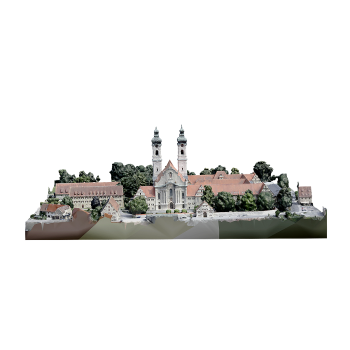
Zwefalten Monastery in Baden-W ü rttemberg, Germany
A former Benedictine monastery located near Leithringen in the state of Baden-W ü rttemberg, Germany. Built in 1089, during a period of controversy over the right to confer titles, it was established by Jerome of Aham and Count Kuno on the recommendation of the bishop. Not only is it a religious site, but it is also an important component of the region's history and culture. Prior to 1802, it was an important religious and cultural center with profound influence on the surrounding areas. Nowadays, as a historical relic, it attracts numerous tourists and history enthusiasts to visit.

Astino Monastery, Bergamo Province, Italy
Located in the province of Bergamo in the Lombardy region of Italy, it is a cultural site with a long history. Located in the picturesque Astino Valley, it is part of the Bergamo Hills Park. Built in 1107, it was constructed by the nobles of Bergamo who purchased land to support the monks of the Valronbrosi Order. The history of the monastery is closely linked to the development of the local society, and has undergone multiple constructions and renovations, including a large-scale reconstruction in the 15th century, forming the magnificent buildings with corner towers that we see today. Witnessing the development of religion, culture, and art from the Middle Ages to the Renaissance, it is an important resource for studying the social history of that time

Grosskamburg Monastery, Germany
A historic monastery located near Schwabenhal in the state of Baden-W ü rttemberg, Germany. Located on a highland above the Koch Valley, it is renowned for its unique geographical location and magnificent scenery. The history can be traced back to the 11th century, initially as the castles of the counts of Rotenburg and Komsburg, and later converted into monasteries at the end of the 11th century. Known for its Romanesque architecture and Baroque style churches, particularly its famous Romanesque chandeliers and gilded altar front walls. These precious cultural relics are the two major treasures of the monastery, attracting numerous tourists and history enthusiasts to visit.
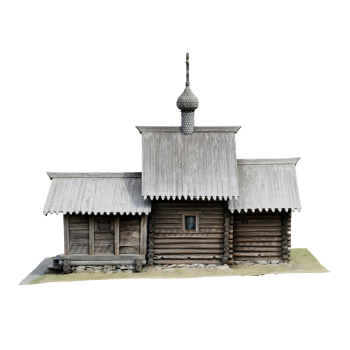
The ancient monastery on Kizhzhia Island, Russia
Located on Kiyoshi Island in Russia, it is one of the oldest buildings on the island, believed to have been built between the 14th and 16th centuries. This church was originally located in the Murom Monastery in the Republic of Karelia, but was later relocated to Kij Island and repaired in 1961. It is one of the oldest surviving wooden structures in Russia, showcasing the exquisite craftsmanship of traditional Russian wooden architecture. Known for its simple and elegant design, its structure does not use a single nail and relies entirely on the precise fit between the woods. As an iconic building of Kiyoshi Island, it, along with other wooden structures on the island, forms a unique cultural landscape.

Monastery in Northeast Slovakia
A national cultural monument located in the northeast of Slovakia. This historic region is located near the Polish border and is renowned for its rich culture and history. Located on the banks of the Dunajca River, surrounded by Pieniny National Park, it provides a unique environment that combines historical and natural beauty. The monastery is a Gothic architecture with rich historical and cultural heritage, including rare herbal collections such as the "Flying Monk" herb from 1766. Tourists can experience the historical atmosphere of the monastery here, explore its internal exhibitions, and enjoy the magnificent natural scenery around.

Pajaislio Monastery, Lithuania
The famous Baroque architecture in Lithuania is located on the Pazaislio hill near the city of Kaunas, near a bend in the Nemunas River. Built by monks of the Italian Carmelite Order in the mid-17th century, the construction project lasted from 1662 to 1712. The church of the monastery is one of the Baroque churches with the most decorated marble in the former Grand Duchy of Lithuania, with magnificent interior decoration and rich artistic value. Not only is it a masterpiece of religious architecture, but it is also one of Lithuania's most important cultural and historical heritages. Witnessing the religious and cultural development of Lithuania, it is an important place for studying Baroque architecture and art

Saint Leonard Abbey in Priorey, France
A Romanesque monastery located in France, with a history dating back to the 11th century. Located on a cape overlooking the bay, its origins can be traced back to the Merovingian dynasty. Leore Saint Leonard is not only a religious site, but also an important stop leading to Mont Saint Michel, which holds special significance for pilgrims. The architectural style embodies the characteristics of Romanesque architecture, such as thick walls, round arches, and simple decorations. Despite the erosion of time, the monastery still retains many primitive structures and designs, making it an important example for studying medieval religious architecture.

Monastery of St. Kipnas, Greece
The Zomelca Mountains, located in the Epirus region of northwestern Greece, are close to the village of Kalaritos and overlook the canyon of the Kararitikos River. Built in the 13th century, it was presided over by the then Archbishop of Alta, Serafim Ksenopoulo, and named after the sleeping Virgin Mary. The architectural complex of the monastery is directly carved from the surrounding rocks, perfectly integrated with the natural environment, giving people a stunning beauty and spiritual tranquility. It is one of the most beautiful and impressive churches in Greece, and also one of the most unforgettable religious sites in the country. Witnessing the resilience and spiritual dedication of Greek history, it is a unique destination for exploring natural and cultural wonders
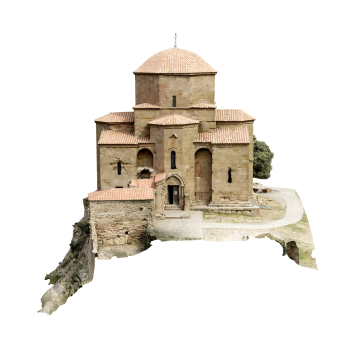
Ancient Monastery in Georgia
The ancient monastery in Georgia is located on a hill near the city of Mtskheta. It is one of the important religious and cultural sites in Georgia, and also one of the places listed in the UNESCO The World Heritage List. Built in the 6th century, it is a Byzantine style cross church and is considered one of the masterpieces of Georgian architecture. It is an important religious site of the Georgian Orthodox Church and a significant destination for pilgrims and tourists. Located at the confluence of two rivers, overlooking the beautiful scenery of Mtskheta city and its surroundings. It is renowned for its unique architectural style and magnificent location.

Castel Monastery
Kastel Monastery is a monastery located in the Trier Salzburg district of the Rhineland Palatinate state in Germany. It is located in the Klaus Kastel Staadt region, near the mountains on the right bank of the Rhine River. Built in the 12th century, it is a Romanesque style monastery. It is one of the most important monasteries in the Rhineland Palatinate region and a part of the region's historical and cultural heritage. It was once an important religious center that attracted many monks and pilgrims.

Monastery in Thessaloniki, Greece
A monastery in northern Greece, located in the city of Thessaloniki. It is named after Saint John Vazelonos, a saint of the Greek Orthodox Church who is considered a miracle worker and spiritual mentor. The monastery was built in the 14th century and is a Byzantine style building with religious and historical significance. It is an important religious center that attracts pilgrims and tourists from all over the world. This monastery boasts beautiful and exquisite murals and artworks, showcasing the essence of Byzantine art. It is part of the religious and cultural heritage of northern Greece.
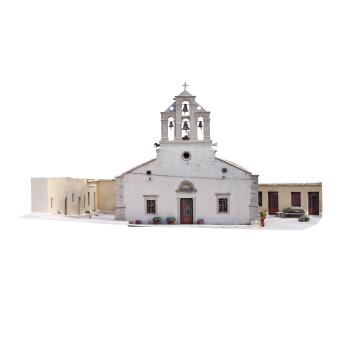
Akadi Monastery on Crete Island
Arkadi Monastery, located on the island of Crete in Greece, is an Eastern Orthodox monastery with a long history and religious significance. This monastery was built in the 14th century and is considered one of the most important religious and cultural heritages of Crete. Renowned for its beautiful architecture and exquisite mural art. It is an important center of Eastern Orthodoxy, where monks live a devout life, dedicated to prayer, chanting, and serving believers. The monastery is equipped with facilities such as a church, residences for monks, and a library, providing a place for religious ceremonies and cultural activities for believers and tourists.

Popular Models


Honey Badger (3D animated model)
192 View

Guinea fowl (3D animated model)
163 View
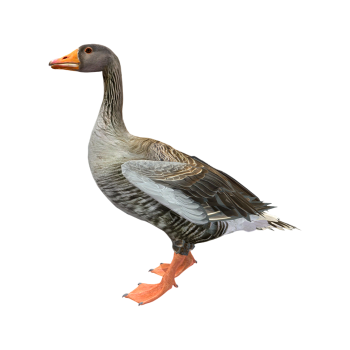
Wild Goose (3D animated model)
185 View
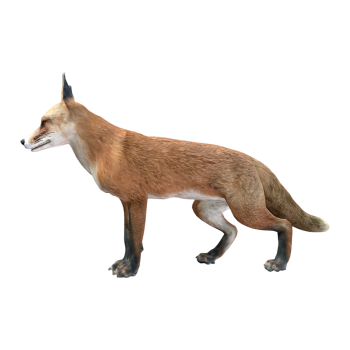
Red Fox (3D animated model)
153 View
Random Model

1920 s Type A fire extinguisher
780 View


Navel orange
458 View


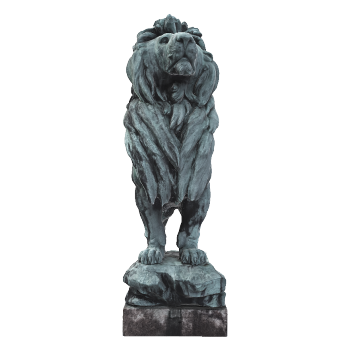
The male lion gazing out
750 View

Brazil Astros II rocket launcher
891 View


Meta Quest Touch Plus Controller
863 View